

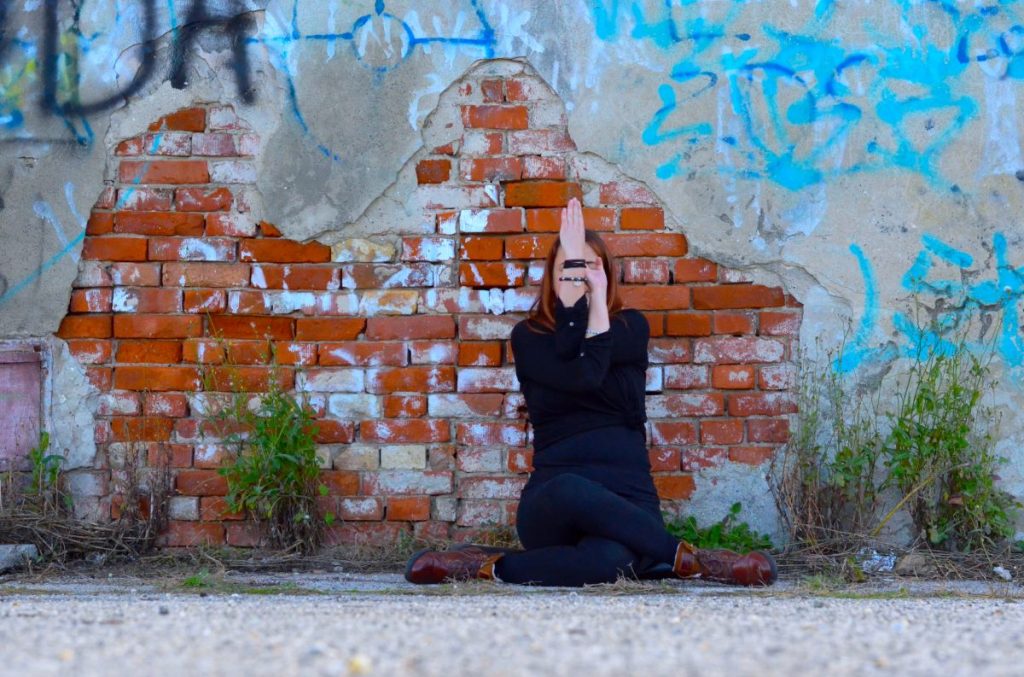
There are many prejudices that to practice yoga you need to be of a certain religion, extremely flexible, young – but not too young, and yet not too old 🙂 or that it is static and boring. No.
What exactly is yoga?
Yoga is a path of knowledge, reconnecting with ourselves. Asanas (yoga postures) are actually something that most people associate with yoga, but it is actually much more.
What can you expect from my classes?
You can choose between a group or individual class, a pranayama or yoga nidra class. There is also the possibility of arranging an online class.
A group class begins with pranayama techniques, followed by a warm-up, a dynamic sequence of asanas (vinyasa) adapted to the participants, and finally relaxation. In total, the class lasts 1:30 or 1:15, depending on the time. Classes are held at the Ayana yoga studio in Ludbreg.
Individual classes are adapted to the individual, depending on their wishes and needs. We can also arrange work in a smaller group for a closed circle of people. The location is arranged separately.
Pranayama class – a short warm-up with Sun Salutations and work with prana for the rest of the class (pranayama and pratyahara techniques; duration: 1h)
Yoga nidra class – an hour of guided deep relaxation with the sounds of Handpan (duration: 30 – 60 min)
Asana
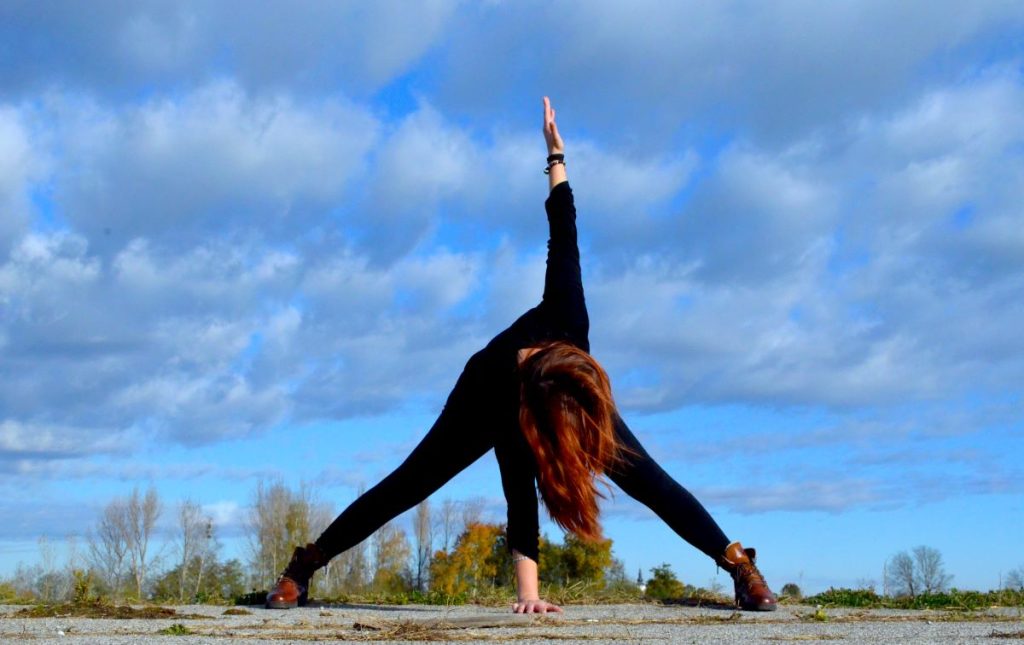
Asana is a comfortable and stable position through which we get to know the limits of our own body, learn to move them, and keep the spine and the whole body healthy. The style of yoga I teach is Hatha vinyasa, a dynamic style of yoga that respects the traditional principles of Hatha yoga. It was designed by our teacher Sandra Petra Pintarić (Dharma House Zagreb), based on Dharma yoga.
Pranayama
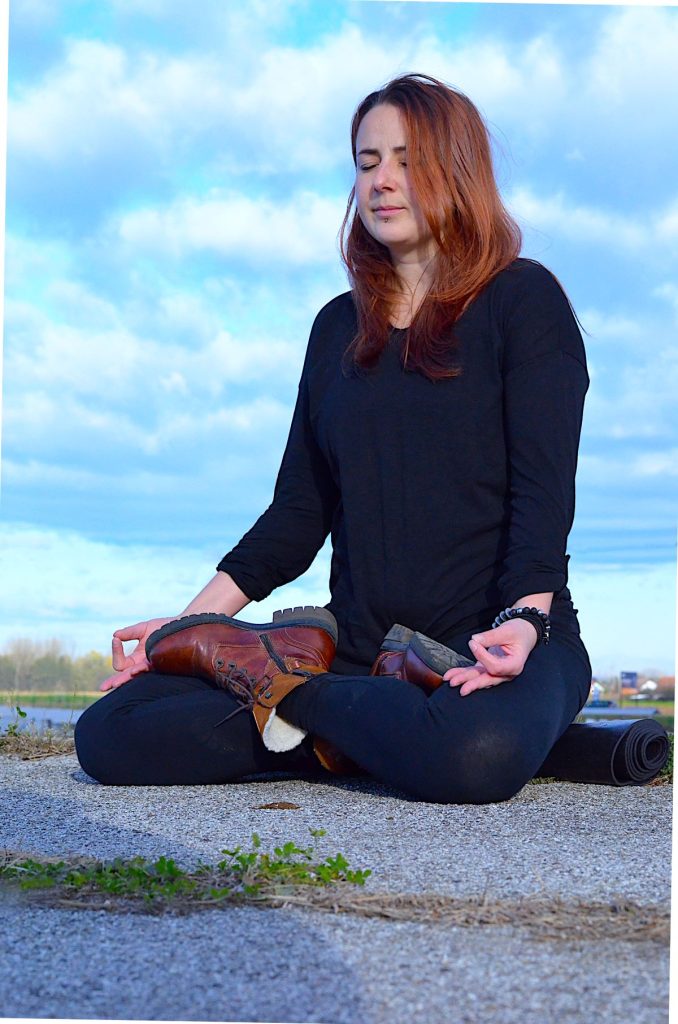
The word pranayama comes from the word prana, which indicates life, vital energy, and the word ayama, which indicates length or retention.
Prana is our life force; it drives us. The most important source of prana is breath, but we also get it from nature – water, sun, air, food, state of mind, dream, meditation … Prana flows through us, and we can control it, balance it, and direct it where necessary.
Pranayama is not just a breathing technique; they are actually working with prana through breath.
Pranayama releases the flow of oxygen and vital energy that has been stored in us, cleanses us from toxins, food our cells, purifies emotions and thoughts, affects the positive state of mind, and raises the hormone of happiness. They can calm us down, wake us up, balance us, heat or cool us…
Breathing is the only vital function that we can consciously affect. The brain, through the rhythm of breathing, gets information about the emotional situation we are in. If we breathe shallow, short breaths and short exhales, we are stressed, under the action of adrenaline.
If we breathe deeply in the same rhythm of breath and exhalation, we are relaxed, calm.
Pratyahara
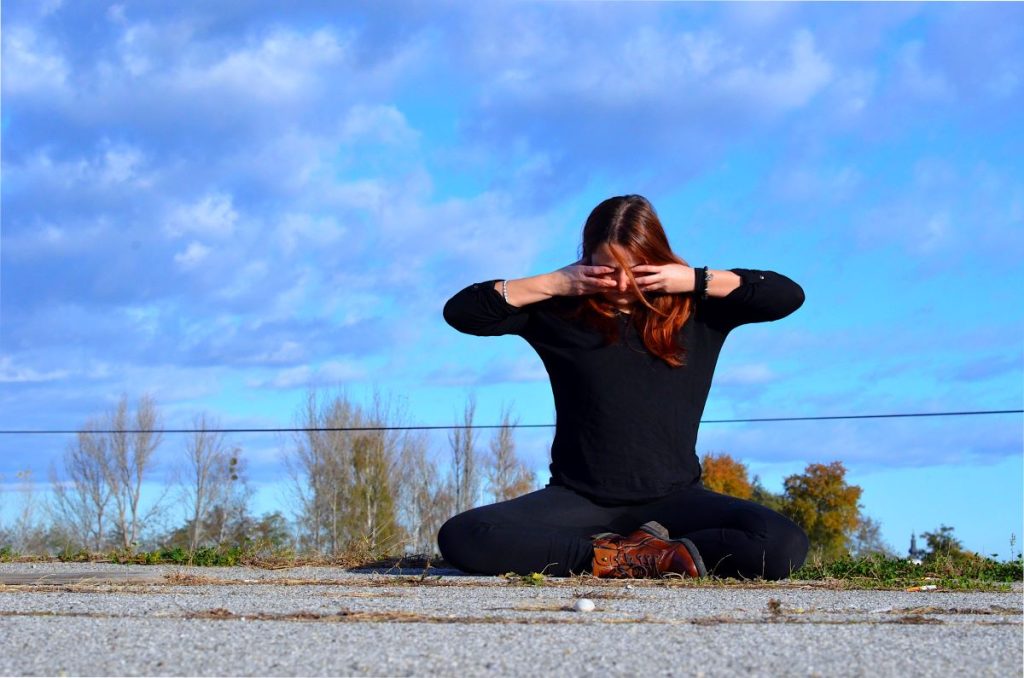
Pratyahara techniques work with our senses. We withdraw them from our outer space and go inside. We use them in our classes – techniques like mudras, bandhas and yoga nidra.
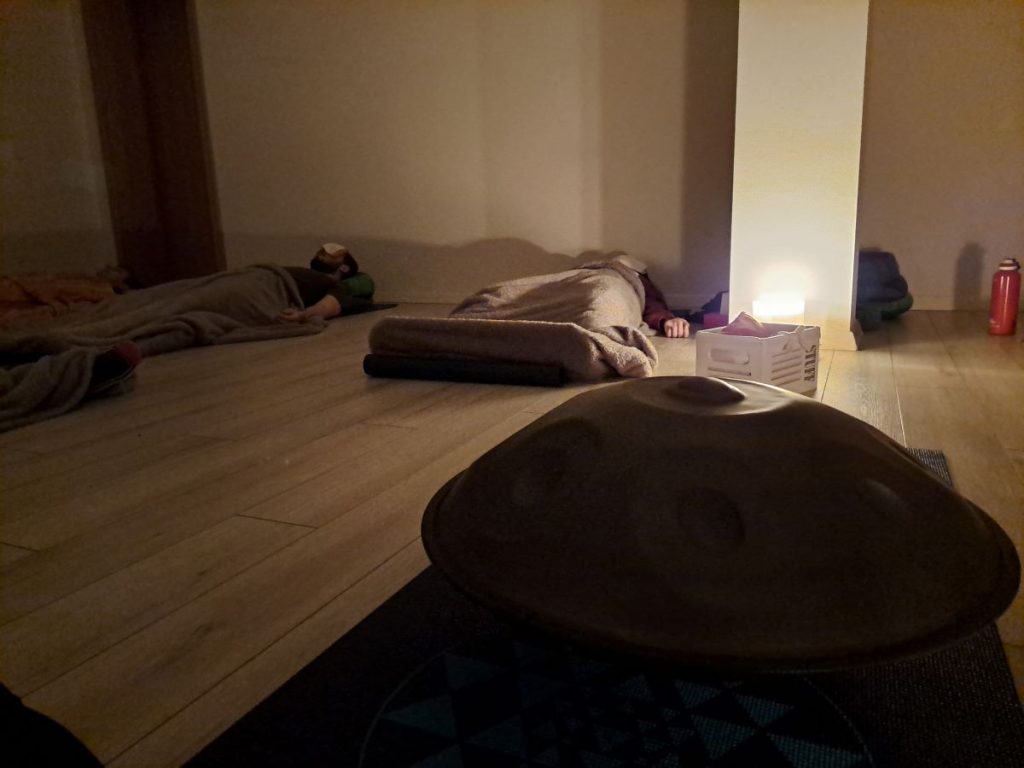
Yoga Nidra
Yoga Nidra, or a yogic sleep, is a guided, conscious relaxation of physical, mental, and emotional tension.
It helps us release unnecessary thoughts and emotions, be creative, and if we allow ourselves, completely transform us.
Yoga Nidra belongs to the pratyahara technique – withdrawal techniques from the outside world to the internal, and are a step towards a calmer mind and meditation (Dhyana).
In Yoga Nidra, we determine our Sankalpa. Sankalpa is an intention or decision, and it can be a good habit that we want to adopt or the habit we want to get rid of. It is necessary to determine it in a positive spirit, let it come from the heart.
Duration is about 40 minutes.
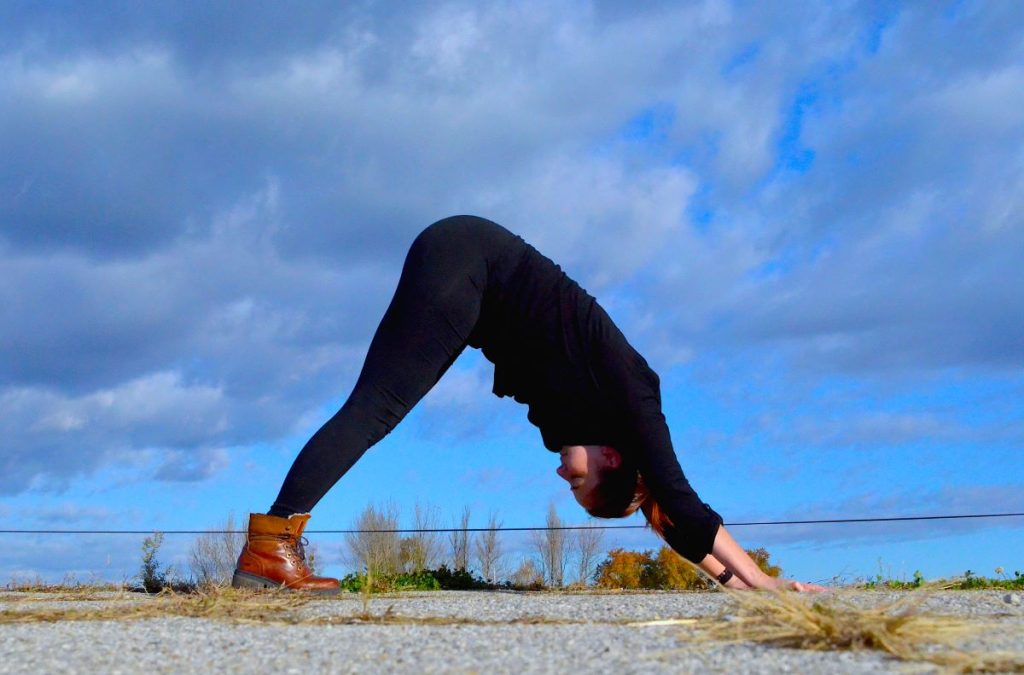
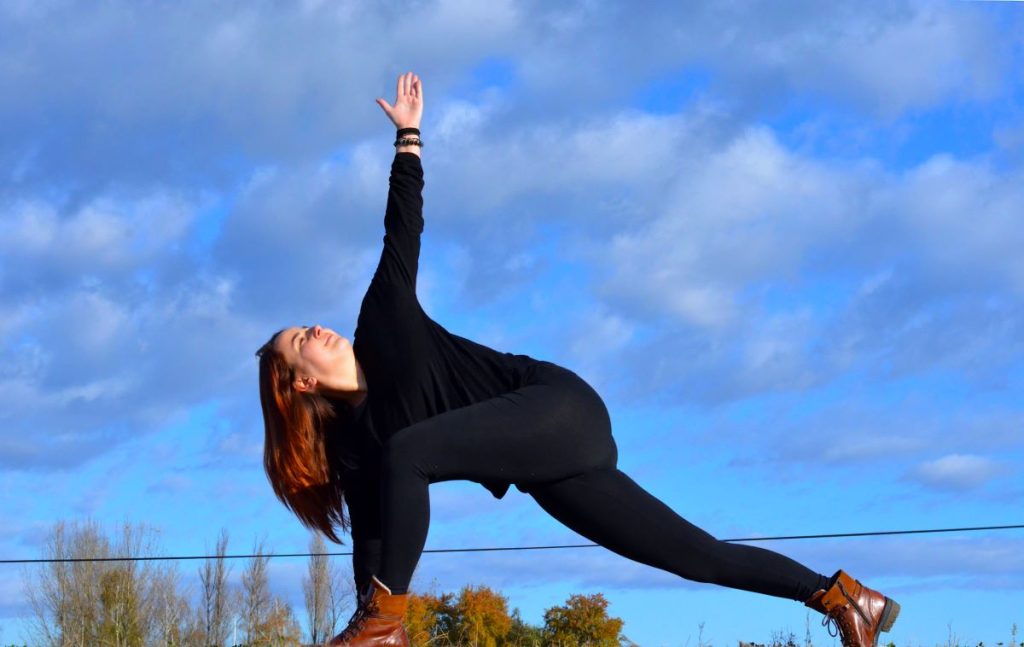
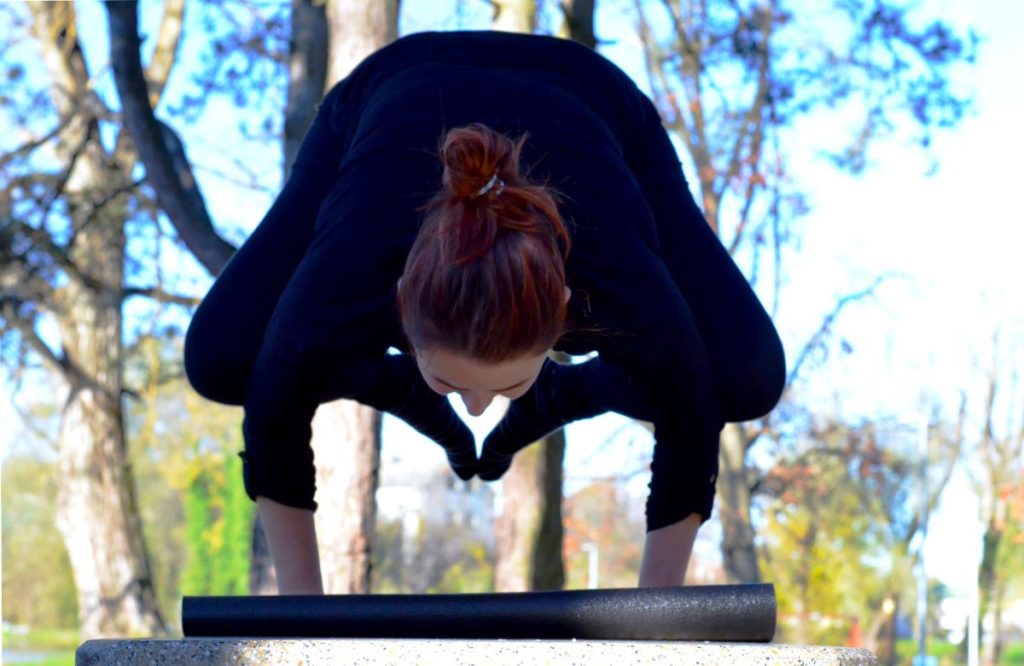
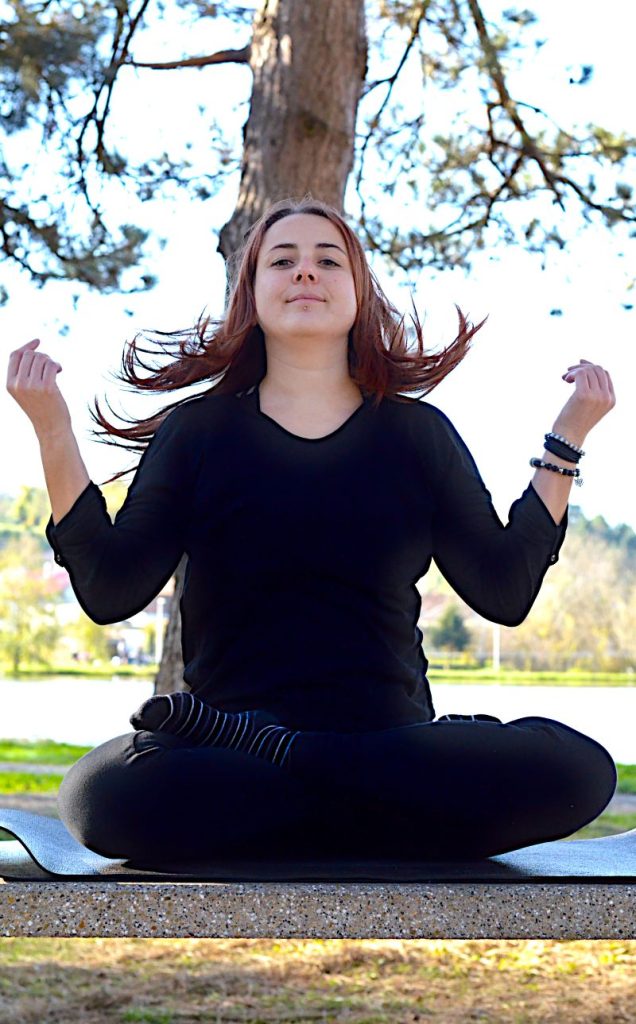
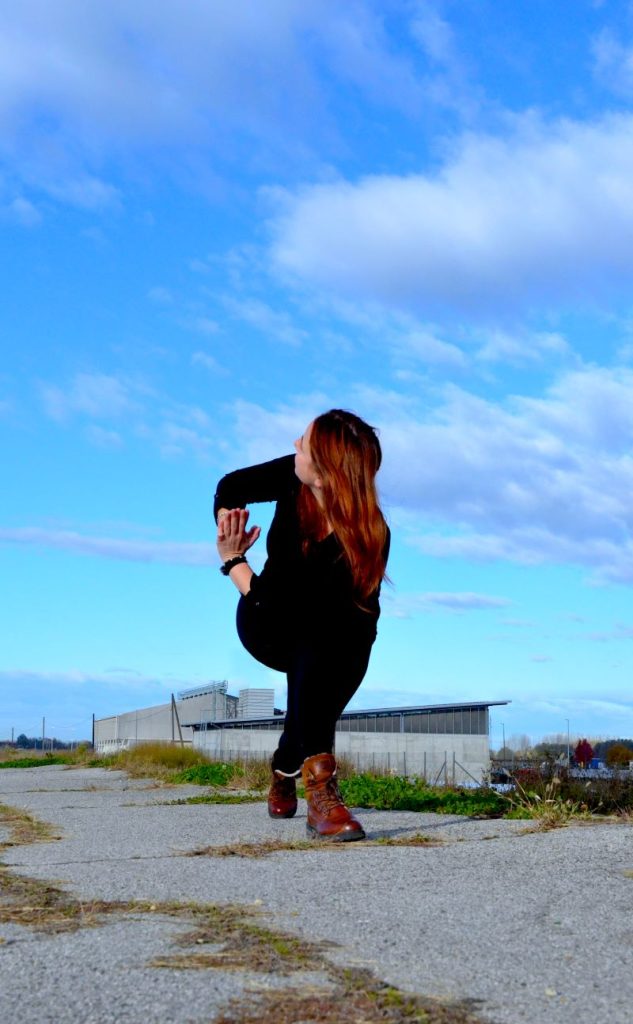
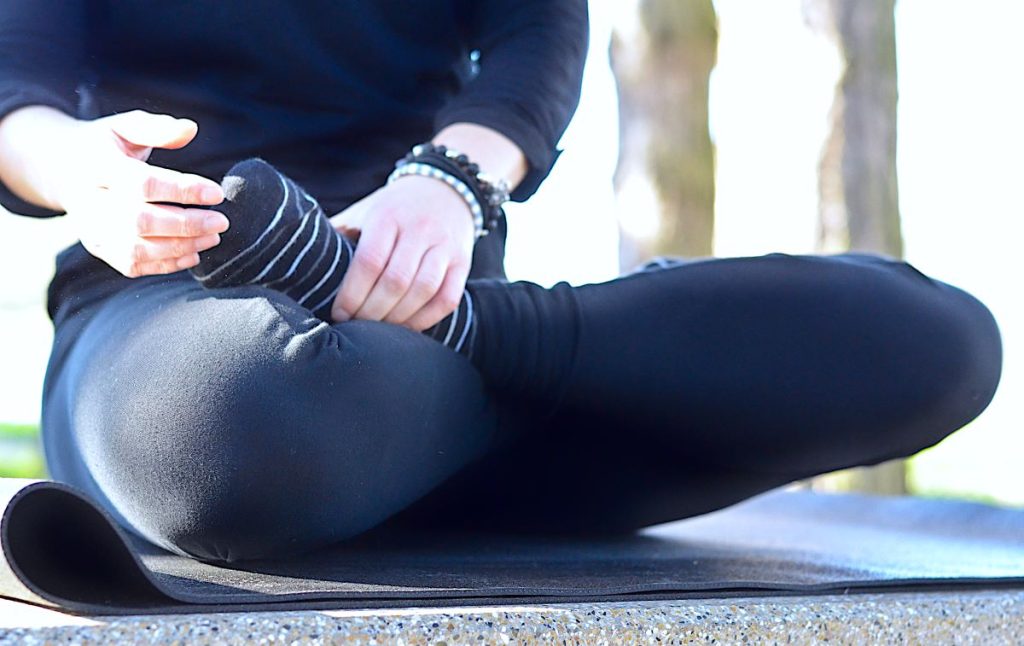
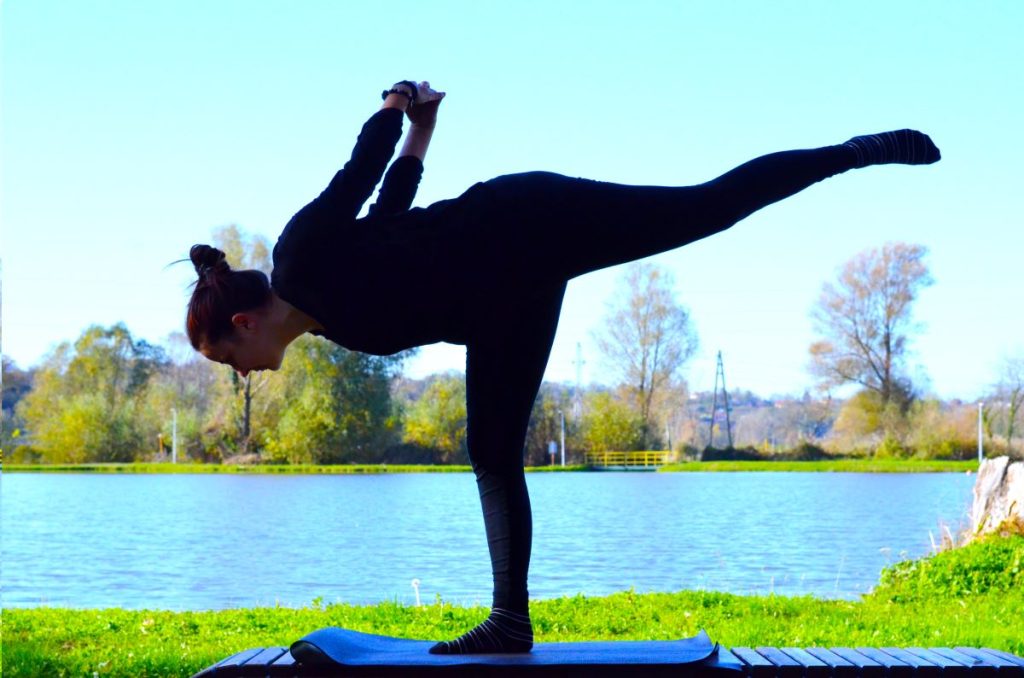
Photo credit: Dustybread photo